Tag: ayurveda

  • kapha

    kapha

    The function of kapha is the body lubrication (water element) and the body shape (earth element).

    Qualities:

    • Heavy: big bones, big muscles, chubby, gaining weight is easy and loosing weight is difficult, tendency to gain weight on thighs, legs, buttocks. They need a light diet, not a lot of carbohydrates and fat, more fruit, vegetables and proteins, avoid meat and chicken, is better to eat fish and eggs, better to avoid milk and dairy products,   try to drink warm water and to fast sometimes.
    • Slow: they tend to talk slow, walk and work slow. They need an active lifestyle, their metabolism is slow, is better if they eat spicy (ginger, chilly, …) to stimulate metabolism. If the do fast is better not to do the intermittent fast, better to eat in small portions every 3 hours.
    • Oily: they have a lot of oil in the body but is not disturbing like in pitta, the skin is normal, normal hair, if they absorb extra oil they put it in the body weight. They need small oil and fat, the mustard oil is ok.
    • Stable: physically and mentally stables.  Loving, forgiving. They need daily physical activity, regarding yoga is better ashtanga, vinyasa, dynamic meditation.
    • Dense: thickness of bones and muscles, due to water and earth. 
    • Cool: water element, they don’t love cold and humidity, they love hot and dry weather. They need to eat sweet like honey, that is good in hot water to lose weight, under 60 °C cause over it loses his properties. For them is preferable to decrease sweet, sour, salt flavors, and use astringent (dry), pungent (spices), bitter (light) flavors like green salad, green smoothies.

    This dosha refers to the power of cohesion, is the container in the body for the other two doshas. If it is not balanced manifests through excess of plasm that becomes mucus, and can causes overweight, edema, lung diseases, swollen, glands and other kapha disorders.

    Kapha needs the other two doshas cause water that is cold or doesn’t move cannot sustain life.
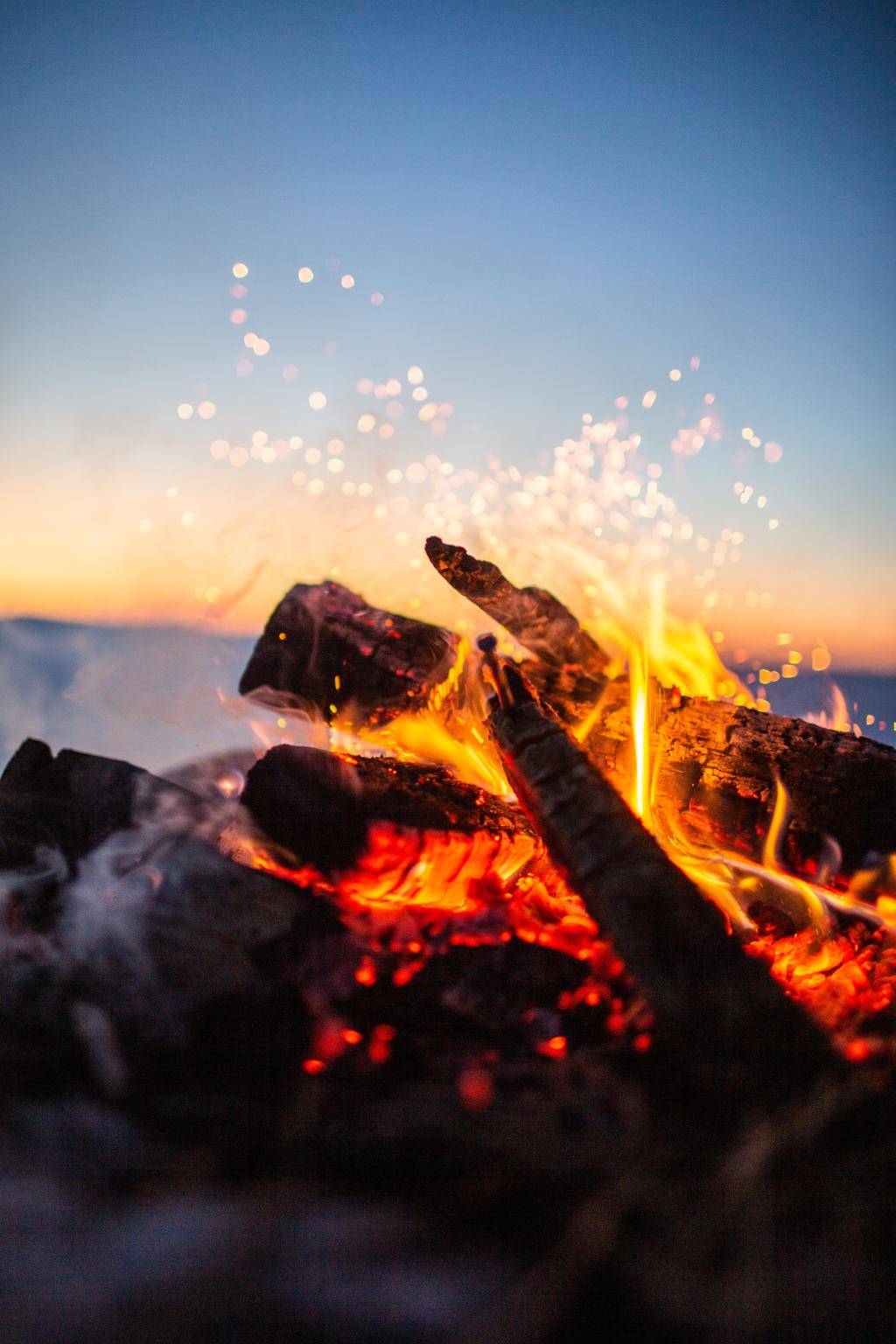
  • pitta

    pitta

    The function of this dosha is the external metabolism  regulated through the digestion and the internal metabolism regulated through the cells. If the digestion works well it’s possible that the internal metabolism will be good as well.

    Qualities:

    • Hot: hot temperament, they need mental clearness. Fast digestion, if they don’t have food  they will get angry, from 3 to 5 meals for day (3 big and 2 small). Often they are intolerant to lactose. They don’t like too strong light; they have early greying and loosing of hair; hot spices are not good for them, like chilly, ginger, garlic.
    • Oily: oily skin, oily hair, easy to get skin problem, high cholesterol. They need less oil and fat in the food, small amount of dry fruit. Yes for pumpkin and sunflower seeds, coconut oil, sunflower oil, ghee.
    • Light: medium build, they are subjects to gaining and loosing weight easy (+ or – 3 kg), they gain weight all over the body, they have more muscles than fat.
    • Intense: strong personality, perfectionist, organized, workaholic, demanding, critic, ambitious, competitive, analytic <– the body part more strong is he mind. They need vegetarian food, sattvic food with a natural and sweet taste.
    • Fluid: liquid part of pitta is the swear, blood, gastric liquid. They need less tea, coffee, alcohol, food with a small acid component.
    • Smelly: is possible that they have a strong smell, and they swear a lot,  swear with a strong smell, a sulfuric component.  They need in the food less onion and garlic.
    • Sour: besides the lemon they don’t love other sour flavors.  They can eat sweet and natural aliments, astringent, bitter; not processed sweets, not a lot of salt but the rock salt is ok, and pungent flavors.

    Menstruation: the cycle can be sometimes shorter than 28 days, with a lot of blood, long lasting.

    Pitta governs digestion on mental and spiritual level as well, that refers to our capacity to digest emotions, impressions and ideas in order to arrive at a perception of truth.

    The element is fire, but this dosha contains an aspect of water too. It depends upon vata for the movement element and on kapha for the support, like the fire requires air and fuel to burn properly.

  • vata

    vata

    The function of this dosha is the movement, it works like a fan cause is cold and dry.

    The characteristics of this dosha are:

    Dry: vata people need more water than others (2-3 l/day), herbal tea, juice, lemon and water, sesame or olive or almond oil, dry nuts and seeds, is good to eat food with water and oil.

    Light: slim, gaining weight takes time and loosing is easy, gain weight on belly and face. It’s necessary a protein based diet with no beef and pork, is not good to eat raw vegan, is better hot food than cold.

    Cold: during winter they have cold hands and feet, poor blood circulation. They need hot and cooked food, is better to avoid very cold aliments.

    Mobile: vata people are very active and they think a lot, hatha yoga and yin yoga are good for them and meditation too.

    Irregular: they have irregular habits, overall regarding food and sleep. Light sleep, they need to sleep 7-8 hours per day and is better to eat three times for day.

    Subtle: instability, insecurity, fear. They are very intelligent but they need to learn how to express themselves. They need meditation on muladhara-vishudda chakra, the first to be rooted and the second to express and communicate better.

    Astringent: dry and choking taste, they need green fruit, bread, they need to eat less astringent, pungent and bitter, for that is good dry fruit, spices that stimulate the mind, green leaf vegetables.

    The menstruation: long cycle, brief duration, painful, sometimes it can disappears cause of physical activity, not a lot of blood.

  • yoga and ayurveda

    yoga and ayurveda

    Ayurveda can be called the dharmic medicine, cause is a dharmic approach to the health and the everyday living (dharma = the laws of truth that govern the universe; natural law).

    Yoga is the dharmic spiritual practice. Yoga and ayurveda are sister sciences complementary and that influenced each other throughout history; they work together to enhance their great benefits on all levels.

    Yoga is a science of Self realization.

    Ayurveda is a science of Self healing, that means that the medical practitioners are indispensable, and that it works to restoring wholeness, with our inner Self as its ultimate goal.

  • the three mahagunas

    the three mahagunas

    Mahagunas are the mental qualities:

    • SATTVA: calm mind, awareness
    • RAJAS: mental stimulation
    • TAMAS: dullness of mind, darkness

    There are three types of food correspondent to those mental qualities:

    • Sattvic food: natural sweet taste, making and eating fresh, no over eating, boring. Examples:  all the sweet fruits, vegetables, lentils, beans, milf and dairy products, virgin oil, seeds, cereals. The sattvic food don’t stimulate the mind.
    • Rajasic food: every kind of processed and refined food, processed sweet, salt, sour, pungent, like spices, tea, coffee, non veg (except pork and beef). It brings a feeling of guilt, sometimes the better medicine is say no.
    • Tamasic food: leftover, re heating, overcooking, overeating, overheating, irregular eating, drugs, alcohol, beef, pork.

    Two laws are crucial to understanding how the gunas work: the first law is the law of alternation, that means that the gunas interplay, never is one dominant over the other gunas; the second law is the law of continuity, the gunas tend to hold their particular natures for a certain period once they come into dominance, substances stabilize on the level of one of the three gunas, once tamas becomes rajas, or rajas becomes sattva they will continue in that same quality.

  • prakriti

    prakriti

    The prakriti is defined since the born of a person, even if is not always the same during the life cause of imbalances and particular stages of the life, in fact ayurveda indicates that during the puberty is predominating the kapha, then till the age of 50 is dominating the pitta, and last int the old age is vata the dominating dosha.

    There are 7 types of prakriti:

    one dosha (1-2 % of the population)

    1. vata

    2. pitta

    3. kapha

    two dosha (most common, 95% of people)

    4. vata-pitta / pitta-vata

    5. vata-kapha / kapha-vata

    6. pitta-kapha / kapha-pitta

    three dosha (only 1-2 % of people)

    1. sum= tri-doshas, every dosha in a 30-40%

    There are three energies or qualities that governs prakriti: sattva, rajas, tamas.

  • what is ayurveda?

    what is ayurveda?

    ayur = life

    veda = knowledge

    ayurveda = the science of life

    Basically it means to know ourselves from the inner side.

    what is ayurveda?

    It’s a traditional and holistic system of medicine, considering every aspect of human life from the physical to the spiritual. Fundamental texts from which this knowledge originates are the Charaka Samhita; they outline that good health can be maintained through good diet and lifestyle as well as taking ayurvedic medicine.

    Health in the ayurvedic perspective means physical, mental and emotional equilibrium. This equilibrium is reached and maintained through a daily routine, and also a seasonal routine to change lifestyle with every season.

    The holistic approach of the ayurvedic medicine is based on 5 steps:

    prakriti

    daily routine

    seasonal routine

    panch karma

    medicine

    First of all is fundamental to find the prakriti, the constitution of the body. the body system is governed by doshas or biological forces, or humor. Your dosha is the password of your body and is useful to understand how your body works and how to keep it balanced.

    The aim is to restore the health and the happiness of a person –> HEALTHY & HAPPY.